Pursue the Romantic Odyssey

Pursue the Romantic Odyssey

Lord Byron & the Maid of Athens

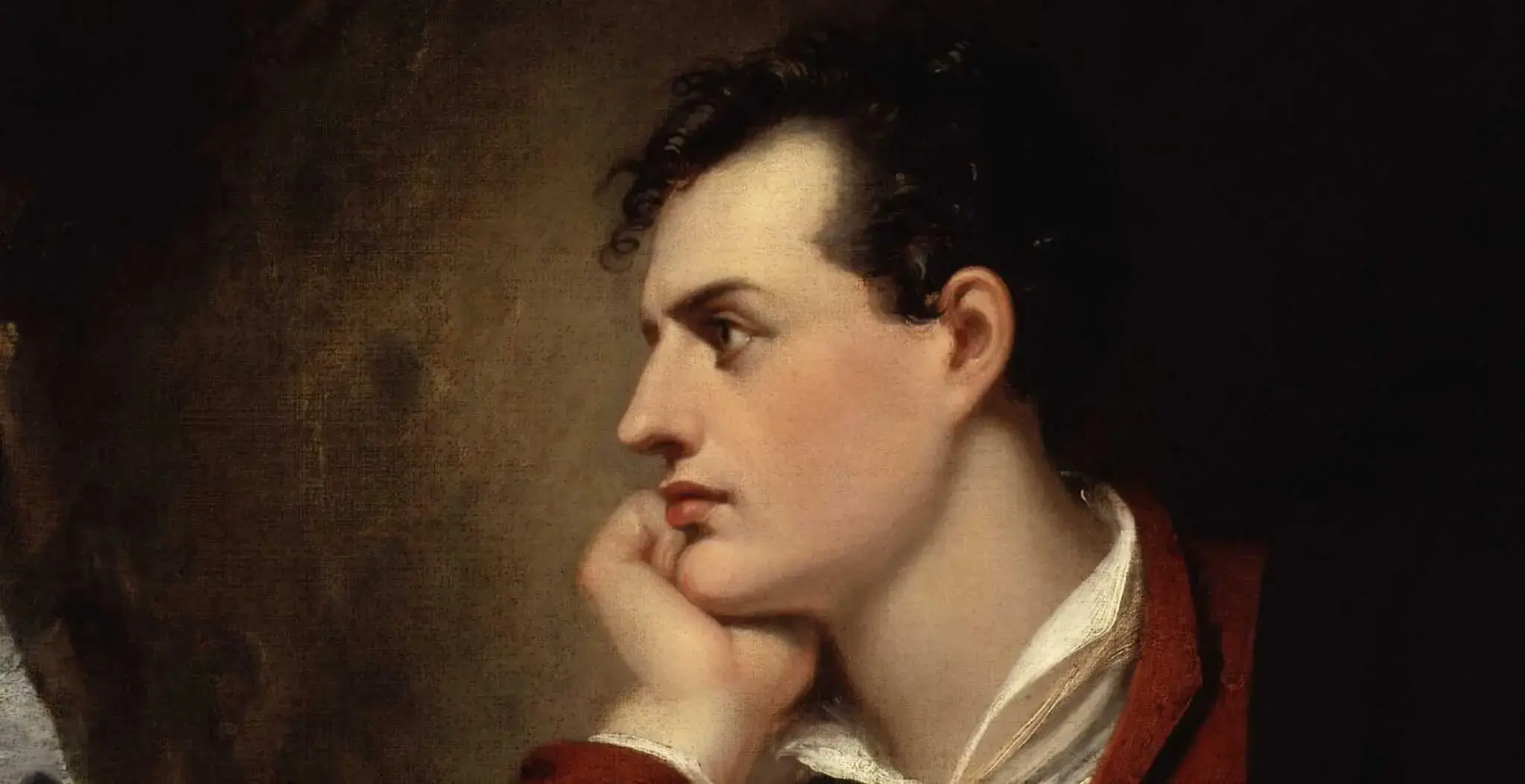
Lord Byron (1788–1824) was one of the leading English Romantic poets and a global symbol of Philhellenism. His life was marked by scandals, extensive travels and intense passion. The defining moment of his life was his active support for the Greek War of Independence. He dedicated his fortune, his influence, and ultimately, his life to the Greek cause. He arrived in Missolonghi, where he took on a leadership role, but he died of illness on April 19, 1824. His death moved Europe and boosted international support for Greece. Byron is honored by Greeks as a national benefactor and hero.
Pursue the Romantic Odyssey

1st Stop The Maid of Athens' House (14 Agias Theklas & Papanikoli)


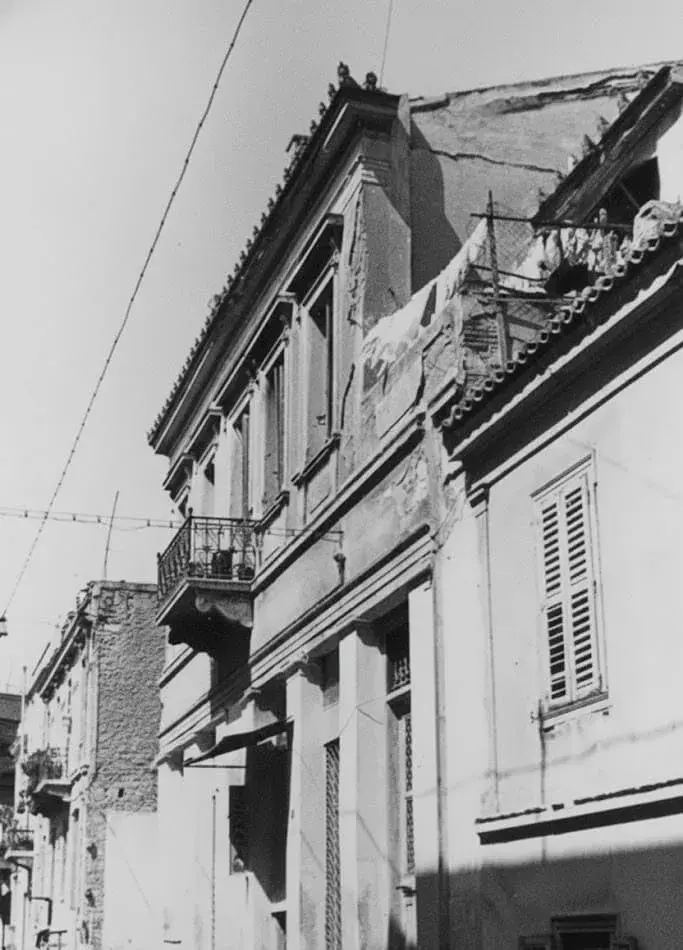
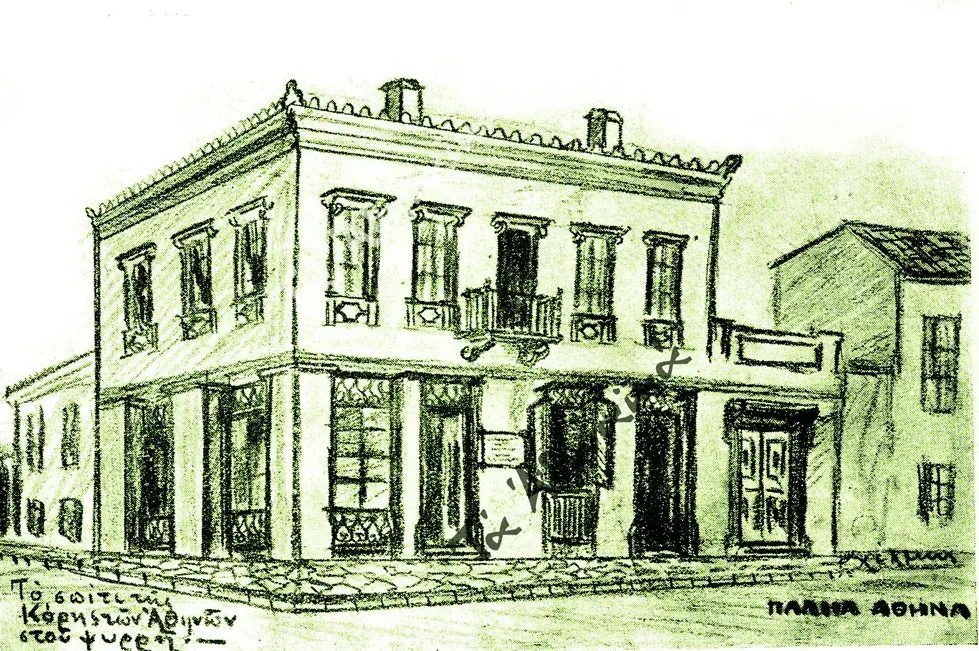
It was Christmas of 1809 when his adventurous spirit led the 21-year-old Byron to the house of the Widow of the British Vice-Consul, Prokopi Makri. In this two-story house with the small sitting room, wooden staircase, three bedrooms, and a lemon grove with a fountain, the English poet rented a room and stayed until March 1810, before leaving to continue his journey to Istanbul. There, he met and was charmed by the beauty of the "Three Consulinas," as the Athenians called them, Makri's teenage daughters.


The youngest, the dark-haired Theresa, with bright eyes that radiated "strength and sweetness" according to historical sources, had the most melancholic character of the three sisters and rarely smiled. Byron's friend, John Cam Hobhouse, described her as so beautiful that he reportedly exclaimed she looked like "one of the Caryatids come to life." It was Theresa who stole the Lord's heart, whom he described in a letter as "warm as an Indian." To express his passionate love for her, just before leaving, he wrote the famous poem "Maid of Athens" in her honor, granting her a place in eternity. In the poem, Byron states that his heart remains in Athens with her, even if he must depart, and concludes with the verse “My life, I love you!”

When he asked her to marry him, young Theresa urged him to travel the world, and if he still harbored the same feelings for her, she would be his forever. As a farewell gift, she gave him a lock of her braid, which Lord Byron kept until the end of his life.

Her mother's sharp business sense, following the great publicity the poem received, led her to place an inscription outside the house's entrance announcing that it was the home of the Maid of Athens. This fact attracted many foreign artists and intellectuals who visited to see the rare beauty of Lord Byron's Muse up close.

Pursue the Romantic Odyssey


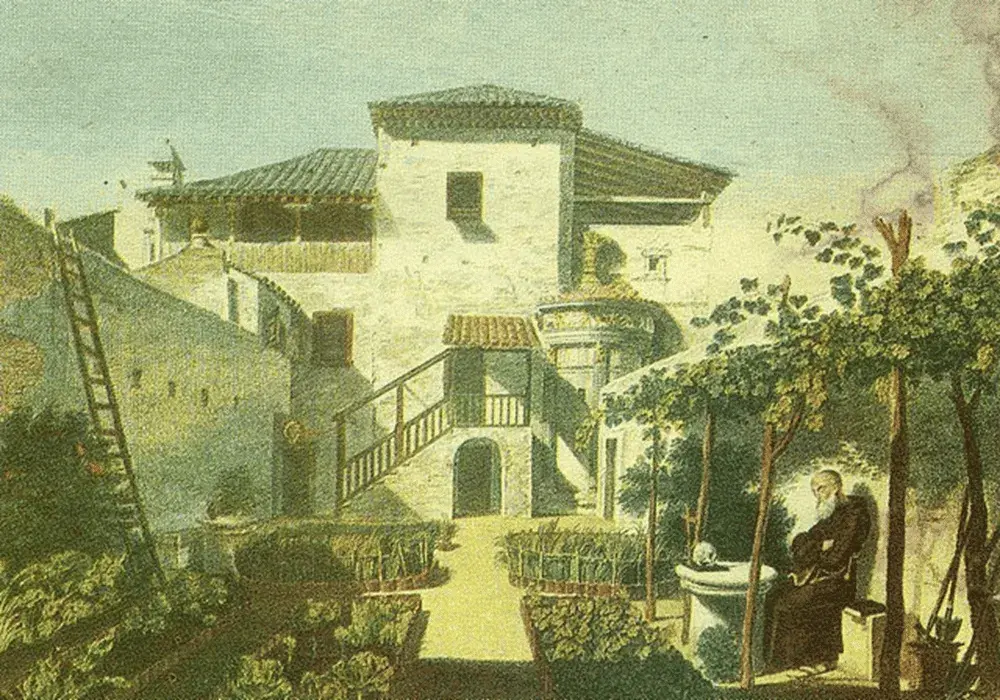
2nd Stop  The Capuchin Monastery (Next to the Lysicrates Monument)


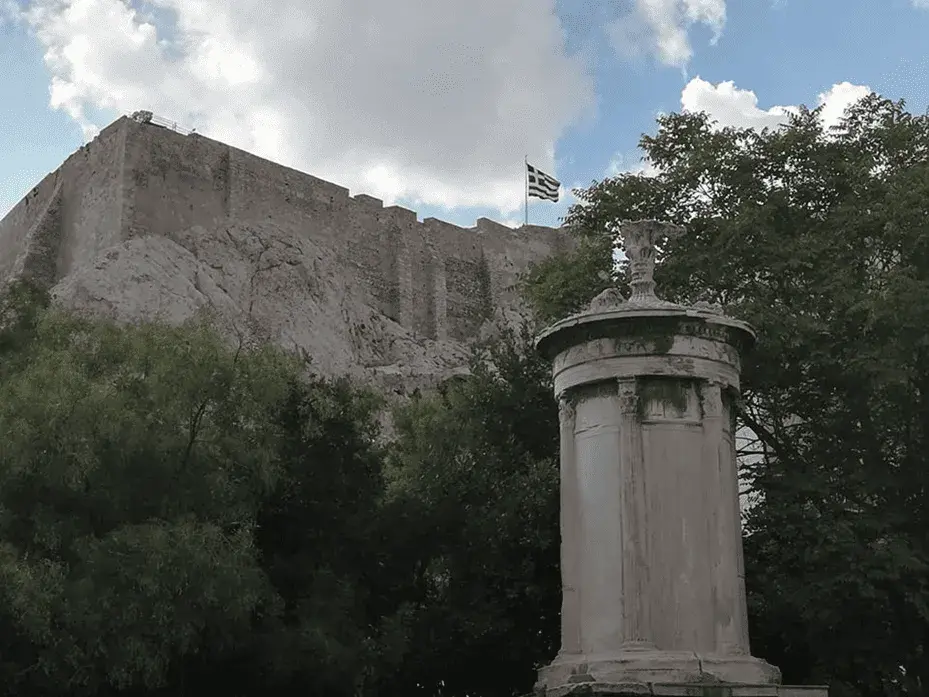
When Byron returned to Athens in July 1810, after his trip to Smyrna and Istanbul, he changed his place of residence. This was partly due to the refusal of the "Maid of Athens'" mother to allow him to marry his beloved Theresa Makri. He even offered the widow Makri 500 gold pounds for her consent, but she stood firm in her decision. Thus, Lord Byron found shelter at the Capuchin Monastery, which was located right next to the Lysicrates Monument in Plaka. He stayed there until April 1811. This specific location, a quiet enclave within the Ottoman town, served as his retreat, where he read, studied Greek, and found inspiration. Byron wrote in a letter:


I am living in the Capuchin Convent. I have Hymettus before me, the Acropolis behind, the Temple of Jupiter to the right, the Stadium in front, the town to the left; eh, Sir, this is a prospect, this is a picturesque! There is nothing like it, Sir, in London, no, not even the Lord Mayor's mansion!"

Other European travelers were also hosted in the guest house of the Capuchin Monastery, such as the French Consul Fauvel, the Italian painter Giovanni Battista Lusieri, Chateaubriand, and others.

In the gardens of the monastery, the first cultivation of tomatoes in pots took place in 1818 with seeds brought from abroad. The Capuchins introduced them to the Athenians, who first planted them as ornamentals in pots, later used them in sweets, and finally in cooking.

Today, a marble column has been erected in the garden of the Lysicrates Monument in honor of Lord Byron, commemorating his stay at the monastery.

Pursue the Romantic Odyssey


3rd Stop  Acropolis / Parthenon


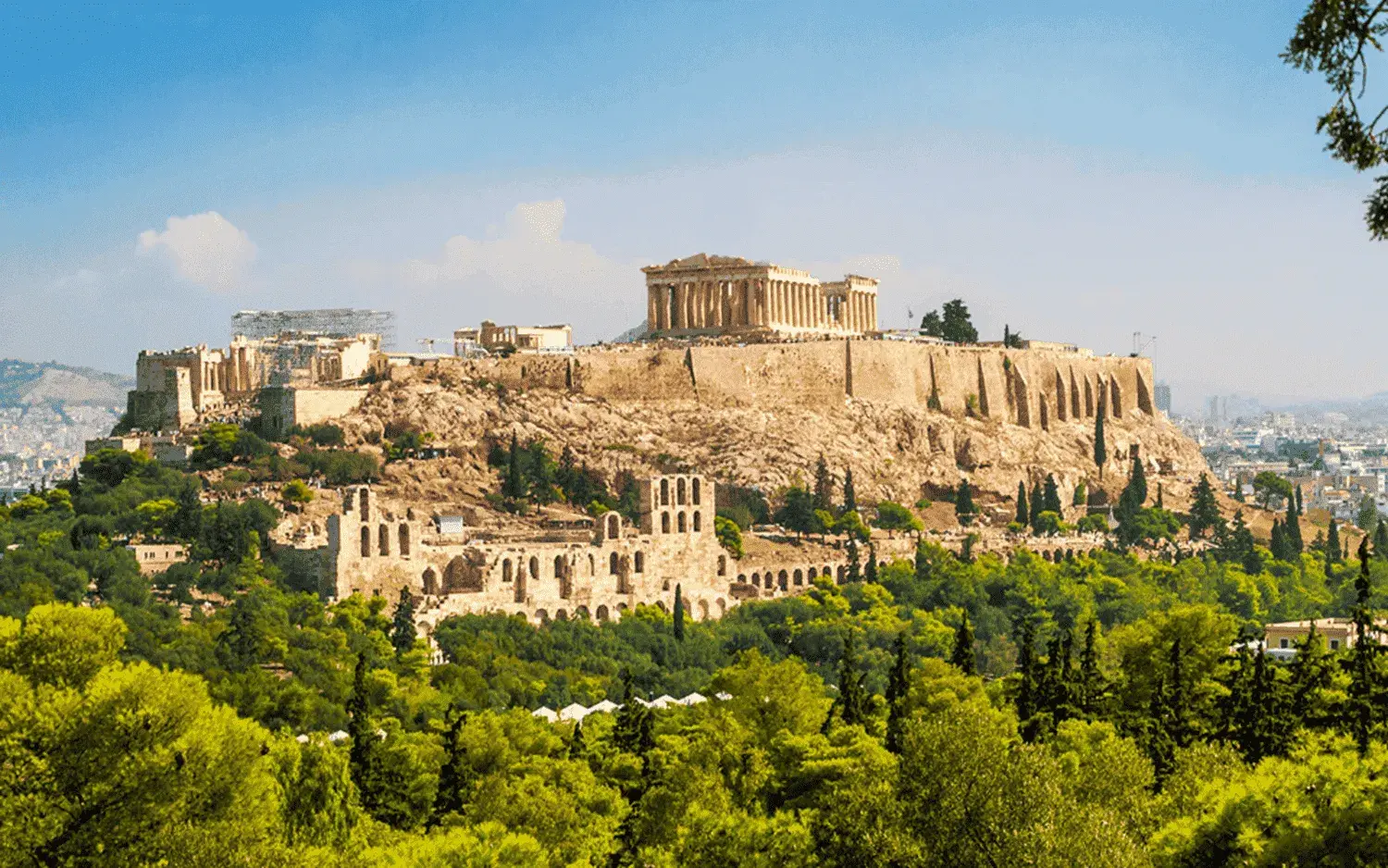
As an admirer of ancient Greek civilization, Byron frequently visited the Acropolis. He was a fervent critic of Lord Elgin for removing the Parthenon Sculptures (Elgin Marbles), a fact reflected in his famous ode, "The Curse of Minerva." His rage over the looting establishes him as one of the first advocates for the return of the Sculptures to their homeland.


Pursue the Romantic Odyssey


4th Stop  Statue at the National Garden / Zappeion


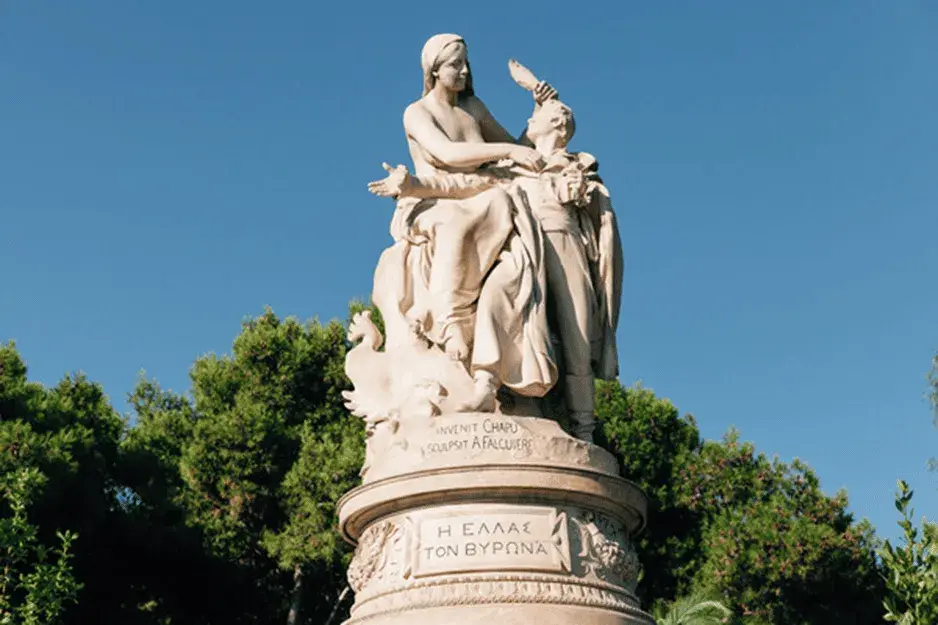
Lord Byron, who is particularly beloved in Greece for his contribution to their struggle for liberation against the Ottoman yoke, is honored with one of the most famous sculptures in Athens. It is located at the corner of Vassilissis Amalias and Vassilissis Olgas avenues, near the Zappeion Hall. It is a sculptural composition, quite bold for that era, depicting Greece crowning Lord Byron with a palm branch, as a token of gratitude for his offering and sacrifice. The statue was placed in July 1896, on the eve of the Olympic Games, and caused a storm of reactions both domestically and in Greece's relations with France and England, nearly escalating into a diplomatic incident.


Pursue the Romantic Odyssey


5th Stop Temple of Poseidon, Sounion


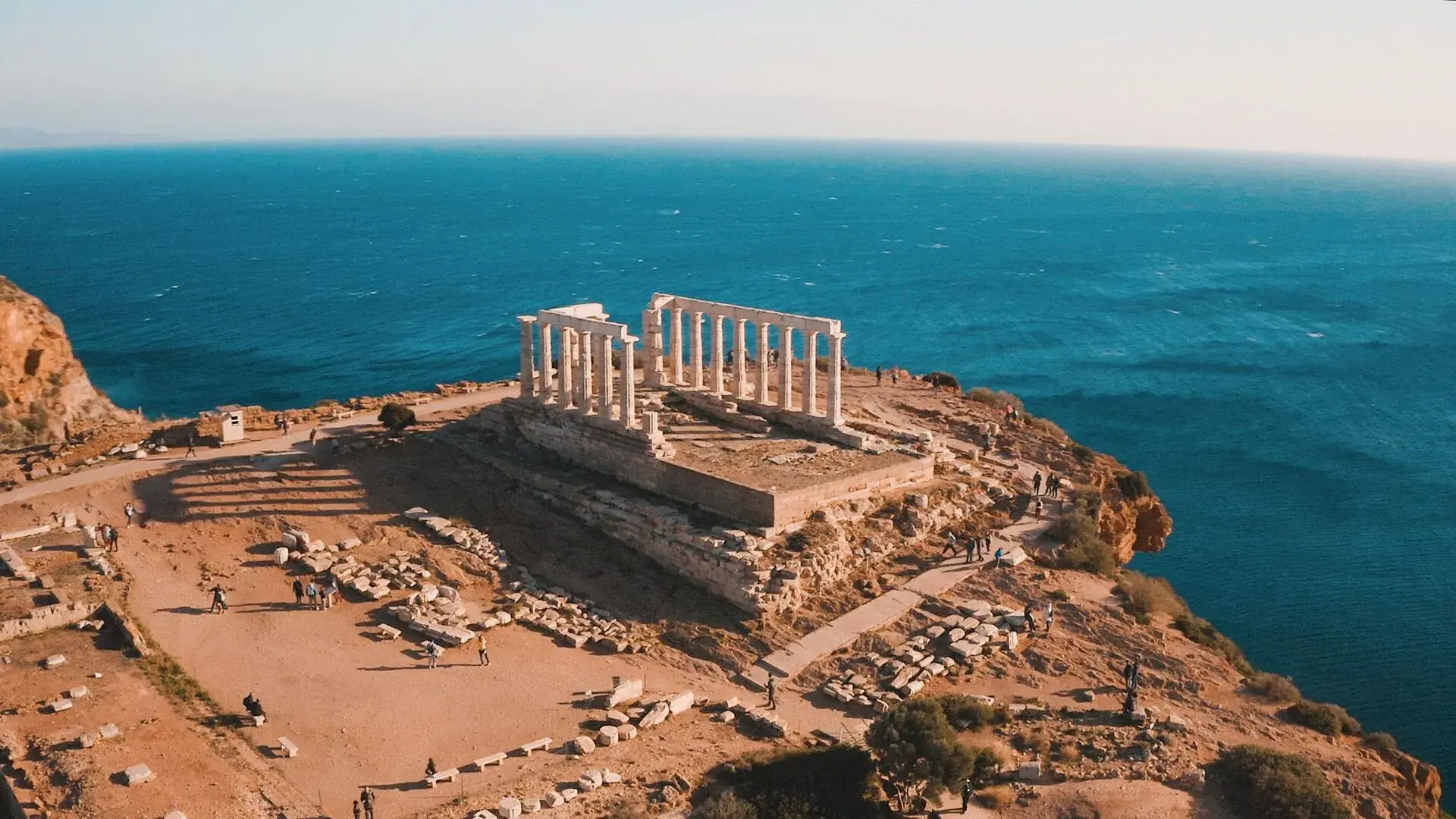
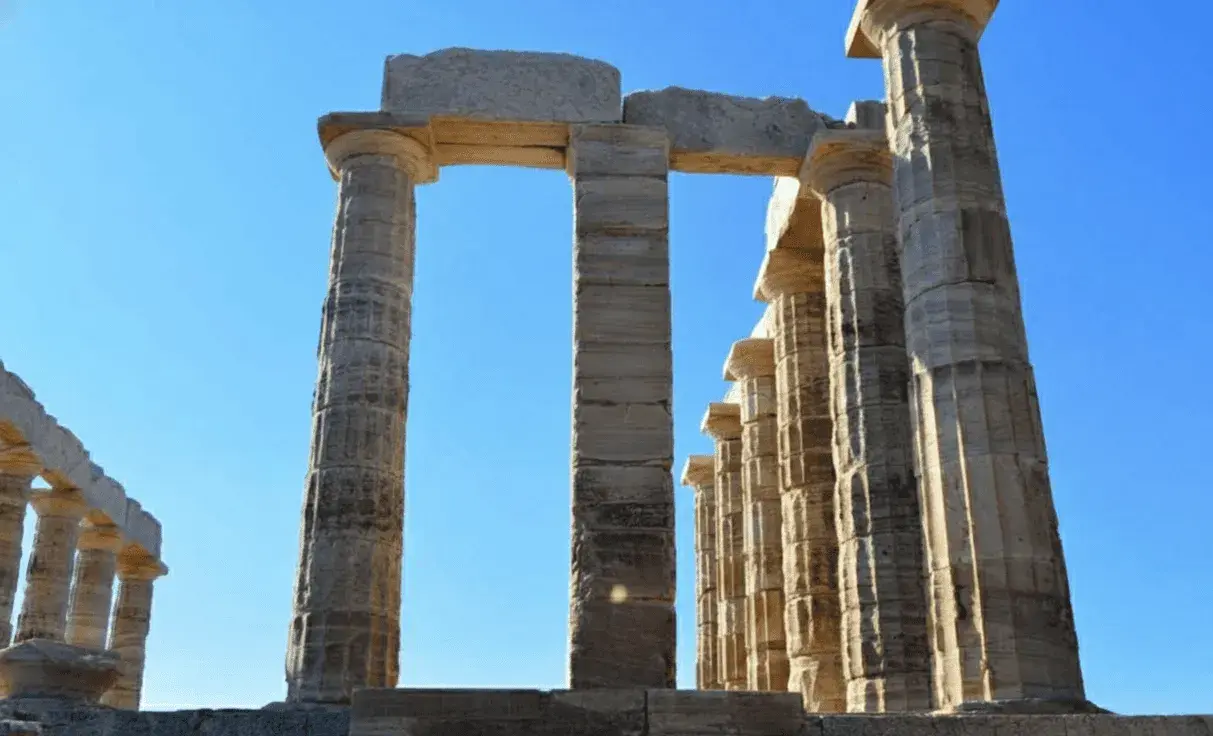
Although outside the historic center of Athens, this location is directly linked to Lord Byron. The Temple of Poseidon, built in the 5th century BC, is a top tourist destination in Greece. It was equally popular among early historical travelers, many of whom carved their names onto the temple's ruins. The most famous signature is that of Lord Byron, in calligraphic letters, which can be found on the south pilaster. The mirror in the photograph illuminates his signature. Byron frequently visited Sounion. It is even said that he once risked being taken hostage by Maniates pirates. Charmed by Greek nature, the English Philhellene wrote to a friend: "If I am a poet, I owe it to the air of Greece..." It was at Sounion that he was inspired to write the poem "The Isles of Greece."


SEEKING THE SEA?

Bellen Luxury Boutique Hotel is a proud member of the Yestay Hotels family. We invite you to discover a shared philosophy of authentic hospitality, premium comfort, and refined aesthetics.

LOOKING FOR A LONGER STAY?

Powered by the Yestay Group, Yestay Homes redefines urban living. Enjoy the same standard of excellence you find at Bellen, now in your own private long-term residence.