Follow the Royal Itinerary

Follow the Royal Itinerary

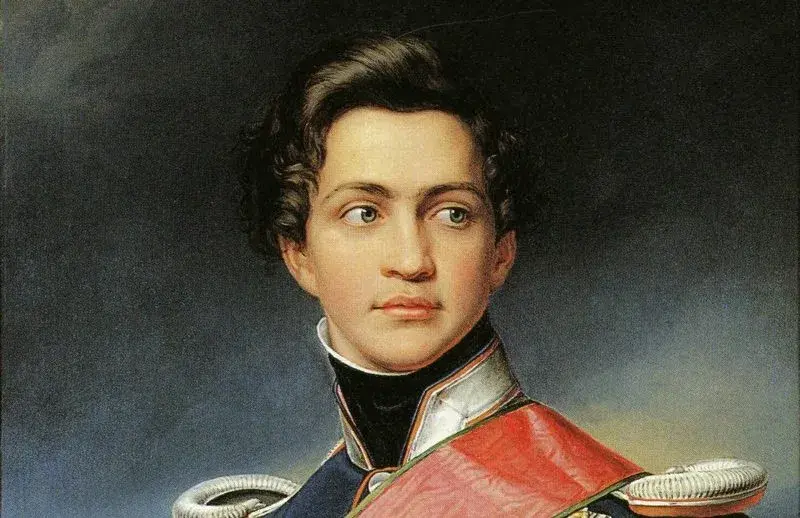
Otto, the First King of Greece & Queen Amalia

King Otto was a Bavarian prince and the first King of Greece from 1832 to 1862, ultimately exiled along with his consort, Queen Amalia. The royal couple played a pivotal role in the shaping of the newly established Greek state and the development of Athens’ urban landscape.
Follow the Royal Itinerary

Stop 1: Yavroum Tavern – Ogygou Street


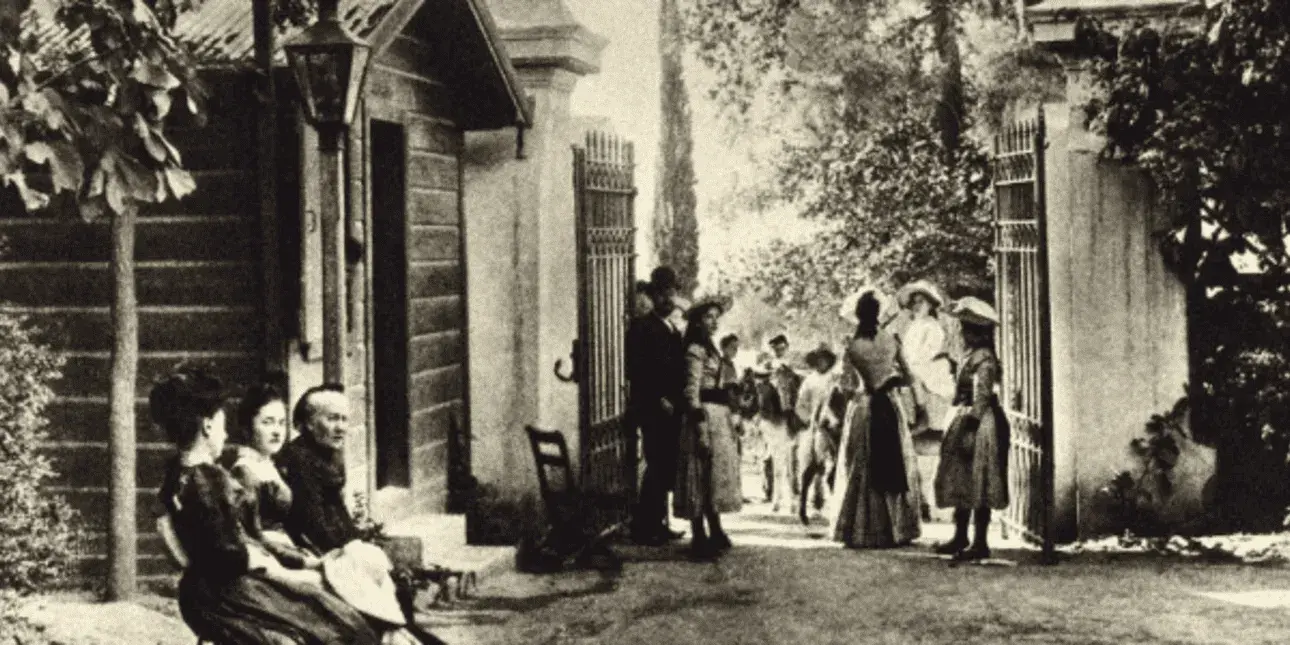
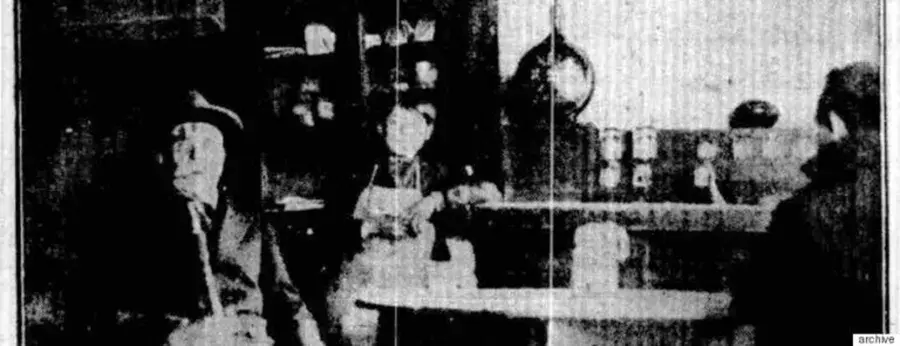
This narrow alley once hosted the famed Yavroum Tavern, one of the oldest in Athens, known only to the truly initiated. For over a century, its courtyard tables and benches welcomed a distinguished clientele - from heroes of the 1821 Revolution to the local dandies and the aristocracy - all savoring its wine and mezedes. Its founder was Kolias Koulourgiotis, a comrade-in-arms of General Makriyannis during the siege of the Acropolis. It is here that King Otto is said to have first tasted retsina (strong Greek wine), experiencing a humble menu -olives, fried cod, marida (smelt), fried pumpkin, and bekatses (pounded onions)- prepared for his refined palate.

Follow the Royal Itinerary

Stop 2: Klafthmonos Square, Paparrigopoulou Street – Museum of the City of Athens


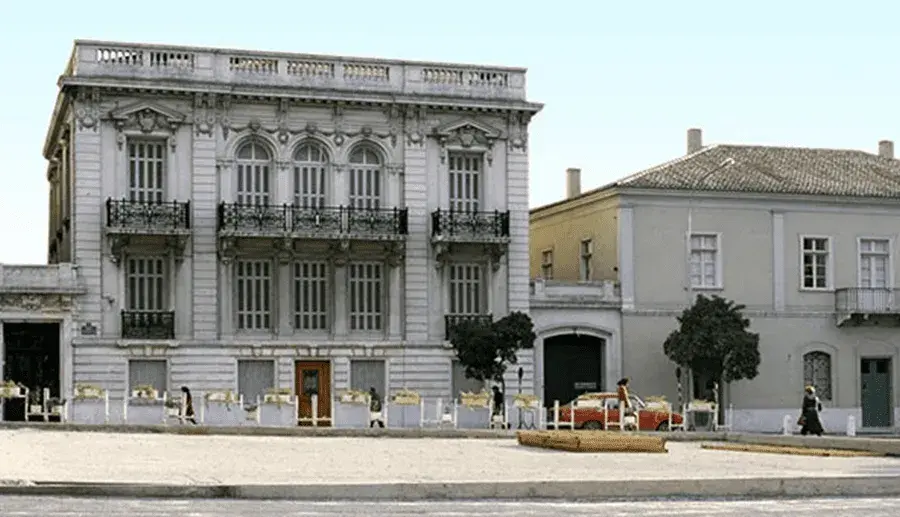
The neoclassical building at 7 Paparrigopoulou Street, now housing the Museum of the City of Athens, was among the first homes constructed in liberated Athens in 1833. Designed by German architects G. Luders and J. Hoffer, it stands as a prime example of Greece’s early, austere classicism. This house belonged to the Chian banker Stamatios Dekozis Vouros, and it was here that the 21-year-old Otto and 18-year-old Amalia were hosted while awaiting the completion of their palace (today's Hellenic Parliament).

Today, it remains a vibrant nexus of historical memory and leisure. The royal couple resided in this "Old Palace," as Athenians later called it, from 1836 to 1843, periodically hosting grand balls for the crème de la crème of Athenian society and the military leaders of the 1821 Revolution. At their wedding reception, General Kolokotronis was a guest, accompanied by his chief lieutenant, Mitros Plapoutas. A formidable dancer, Plapoutas had a habit of tossing his tsarouchi (traditional shoe) high during a dance figure. Seeing him lead the tsamiko (Greek dance), the "Old Man of Morea" famously advised, "Mitro, mind yourself. Gently with the Polyeleos (Chandelier)." This phrase became a classic saying in Greek culture.

The young Queen personally organized the garden around the couple's temporary residence in 1836. The “Garden of the Old Palace” was the capital's first public garden, featuring four entrances, a fountain, and a goldfish pond. It encompassed the current Klafthmonos Square and extended to Kolokotronis Square. The present garden of the Museum of the City of Athens is but a small segment of that expansive original, yet it remains a unique small oasis in the heart of Athens, with the Queen's original palm tree still standing.


Follow the Royal Itinerary

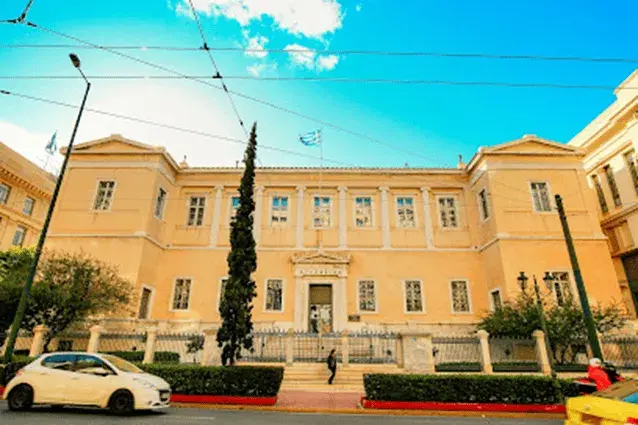
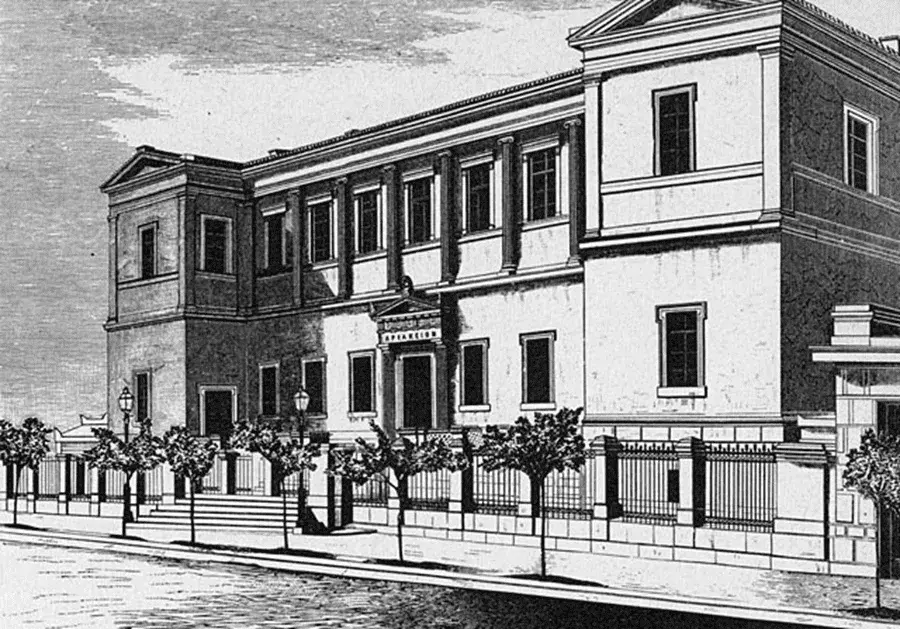
Stop 3: Arsakeio Mansion, Panepistimiou 47-49


The Arsakeio Mansion in Athens, an emblematic neoclassical building by Lysandros Kaftantzoglou, is intrinsically linked to Queen Amalia, who served as the Patroness and Great Benefactress of the Filikekpaideutiki Etaireia (Society for the Education of Women). Amalia’s role was decisive, especially in securing a permanent home for the institution. In 1842, when the Society needed a plot of land for its girls' school, Amalia personally intervened with her husband, King Otto, to facilitate the purchase. Thanks to her mediation, the central plot (the current city block of Panepistimiou, Stadiou, Arsaki, etc.) was secured, where the Arsakeio was founded in 1846.

Beyond mediating the land deal, Amalia provided financial support and conferred prestige upon the school by placing it under her high protection. She firmly believed in the necessity of educating Greek women for the progress of the nascent state. The royal couple frequently visited the school, confirming their interest in the students’ advancement.

The chosen location for the new school was considered, at the time, “outside the centre,” as evidenced by a Municipal Council member's remark: “They asked us to help them build a school, to teach our girls to read and write, and these blessed people went and built it in Adam’s exile.” Time, however, proved the choice correct.

The Arsakeio housed the Arsakeia and Tositsia Schools until the early 1930s, when they relocated to Psychiko. Today, following extensive restoration between 1980 and 1990, it houses the Council of State (Greece's Supreme Administrative Court). The Stoa tou Vivliou (Book Arcade) and other exclusive commercial establishments are located within its premises.

Follow the Royal Itinerary

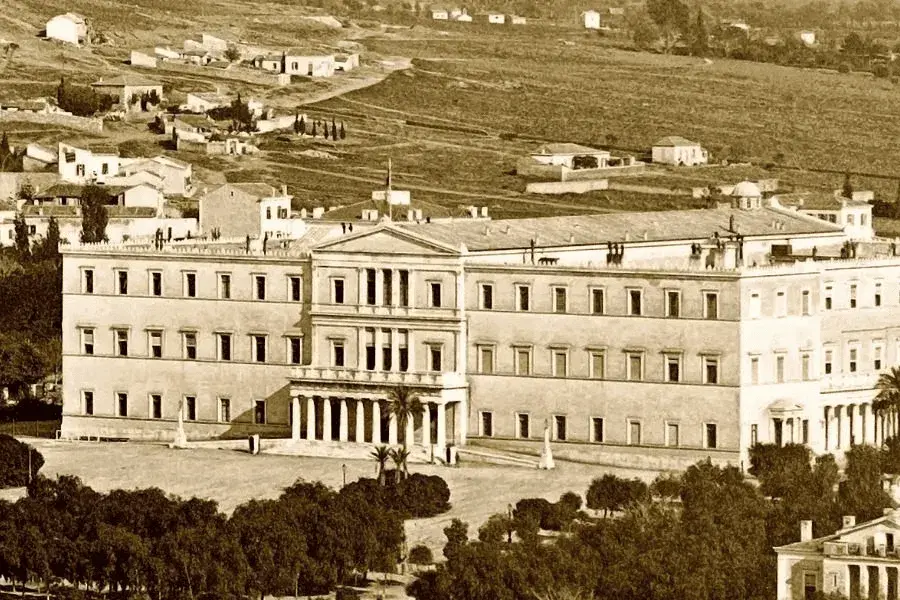
Stop 4: Hellenic Parliament & Syntagma Square


The imposing neoclassical building that now houses the Hellenic Parliament was originally constructed as King Otto’s Royal Palace. Its construction began in 1836, based on designs by the Bavarian architect Friedrich von Gärtner, and was completed in 1847. The Boubounistra hill (the current site) was selected as a pivotal, secure location with a view of the Acropolis.

This building served as the seat of the royal family until 1909, when it suffered severe fire damage. Following its restoration, the decision was made in 1929 to house the Greek Parliament. An interesting historical detail is that during its construction, there was public backlash against the creation of an indoor toilet within the palace -  a feature considered offensive and unthinkable- leading to a modification of the original plans and the eventual creation of a single, concealed toilet.

The square in front of the Palace was initially called "Palace Square." Its name was changed on September 3, 1843, when the people gathered there, besieging the Palace, and demanded that King Otto grant a Constitution. Otto was compelled to yield, giving the space the name “Syntagma Square” (Constitution Square).

Through these buildings and spaces, Otto and Amalia left their indelible imprint on the image of modern Athens, which evolved around their central Palace.

Follow the Royal Itinerary

Stop 5: National Garden


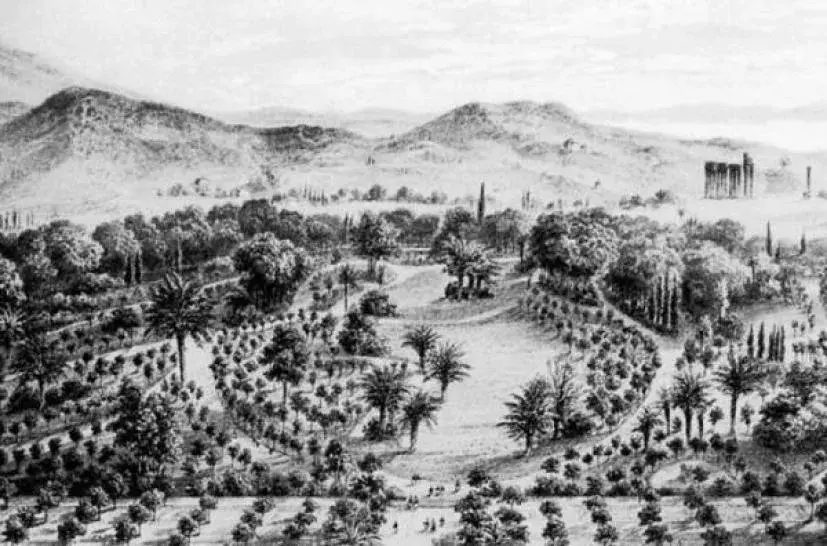
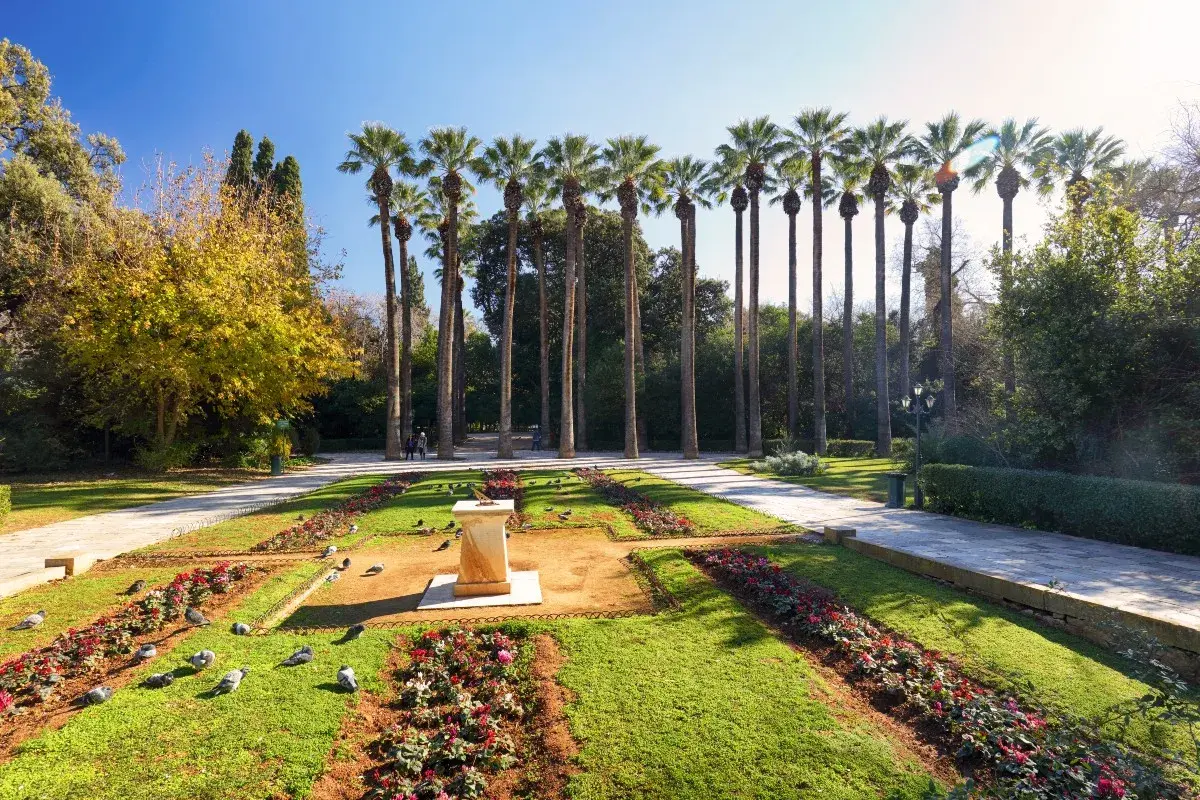
The area now known as the National Garden was originally the Royal Garden, or “Amalia’s Garden,” a private recreational space for the Palace. By her command, the 155-acre garden was intended as a scientific and botanical garden. Its creation (1839–1862) was her own inspiration and fixation, as she came from a family with a tradition in horticulture. The Queen rejected the formal proposals of Bavarian architects for a typical European garden, choosing a more natural, winding design (British style), personally overseeing the work, even making strong interventions with her collaborators.

It is said that Amalia spent at least three hours a day personally tending to the garden. Her favorite seat is preserved to this day. From there, she had the most beautiful view of Athens, seeing the Ardittos hill, the Acropolis, the Temple of Olympian Zeus, and from there, the sea extending to Aegina. She showed great passion for enriching the Garden, which was then a barren and arid area. She introduced more than 15,000 ornamental plants from Italy, France, and Vienna, and even exotic species from Egypt. The most characteristic example is the Washingtonia palms at the entrance of Amalias Avenue. Tradition holds that she personally planted several of them in 1842. For the Garden's needs, she founded the first Green Service of the Greek state and the first Greenhouse, to acclimatize the exotic species in Greece. The National Garden was Amalia's great life project, and as she wrote in letters to her father, she hoped to go down in history as the “Queen of the Palms.” It is undeniably an oasis that transformed the center of Athens and remains the city’s primary green lung.

Follow the Royal Itinerary

Stop 6: Ermou Pedestrian Street


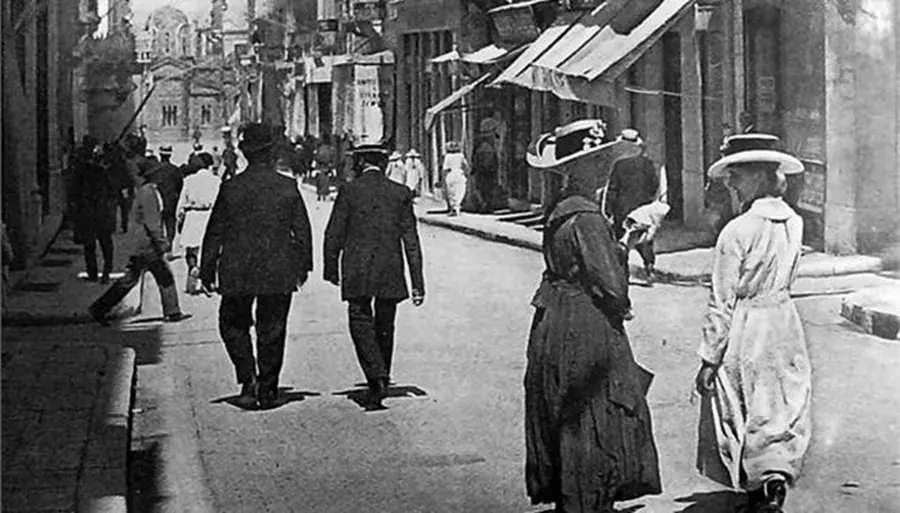
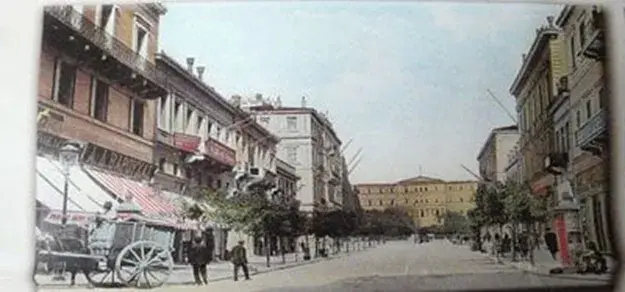
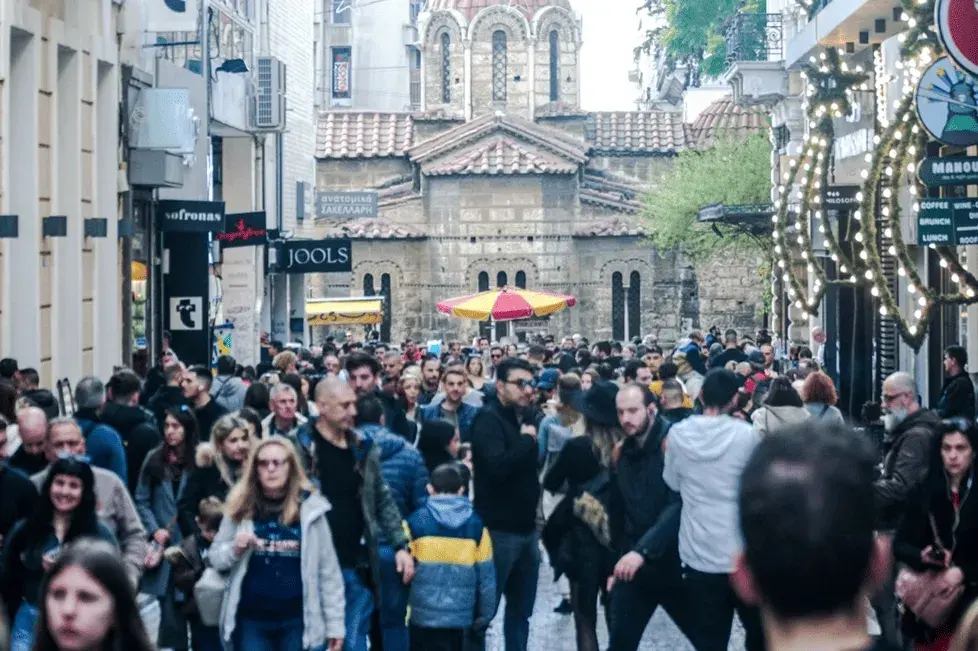
Ermou Street is one of the first roads designed in modern Athens, included in the first urban plan by Kleanthis and Schaubert in 1833. It was named after Hermes, the god of commerce, confirming its destiny from the outset as the principal commercial artery of the new capital. From early on, it served as the main communication channel and the core of the commercial triangle, attracting the first "reputable shops" and businesses for clothing, fabrics, and footwear. 

During the Ottoian years, it was known as the "Hermaic Road," which, as an extension of Piraeus Street, connected Piraeus with Athens. In 1838, it was paved with a macadam system, and later acquired sidewalks, a sewer system, and was asphalted in 1910. A royal decree in 1856 imposed special building regulations for Ermou and other city streets, requiring mandatory “two-story buildings with a ground floor and an upper floor, forming a continuous and unbroken row.”

Queen Amalia indirectly played a significant role in the street's early commercial and social blossoming, serving as a “role model” for fashion and fostering the demand for quality stores near the center of power (the Palace). Her presence at the palace and her need for European products encouraged the development of commerce on this specific street. There are references from 1837 to Amalia purchasing hats on Ermou. Ermou connected the Palace to Monastiraki, making it a street of particular importance for the royal court, courtiers, and wealthy citizens.

To this day, Ermou Street remains the capital's most commercial street.

SEEKING THE SEA?

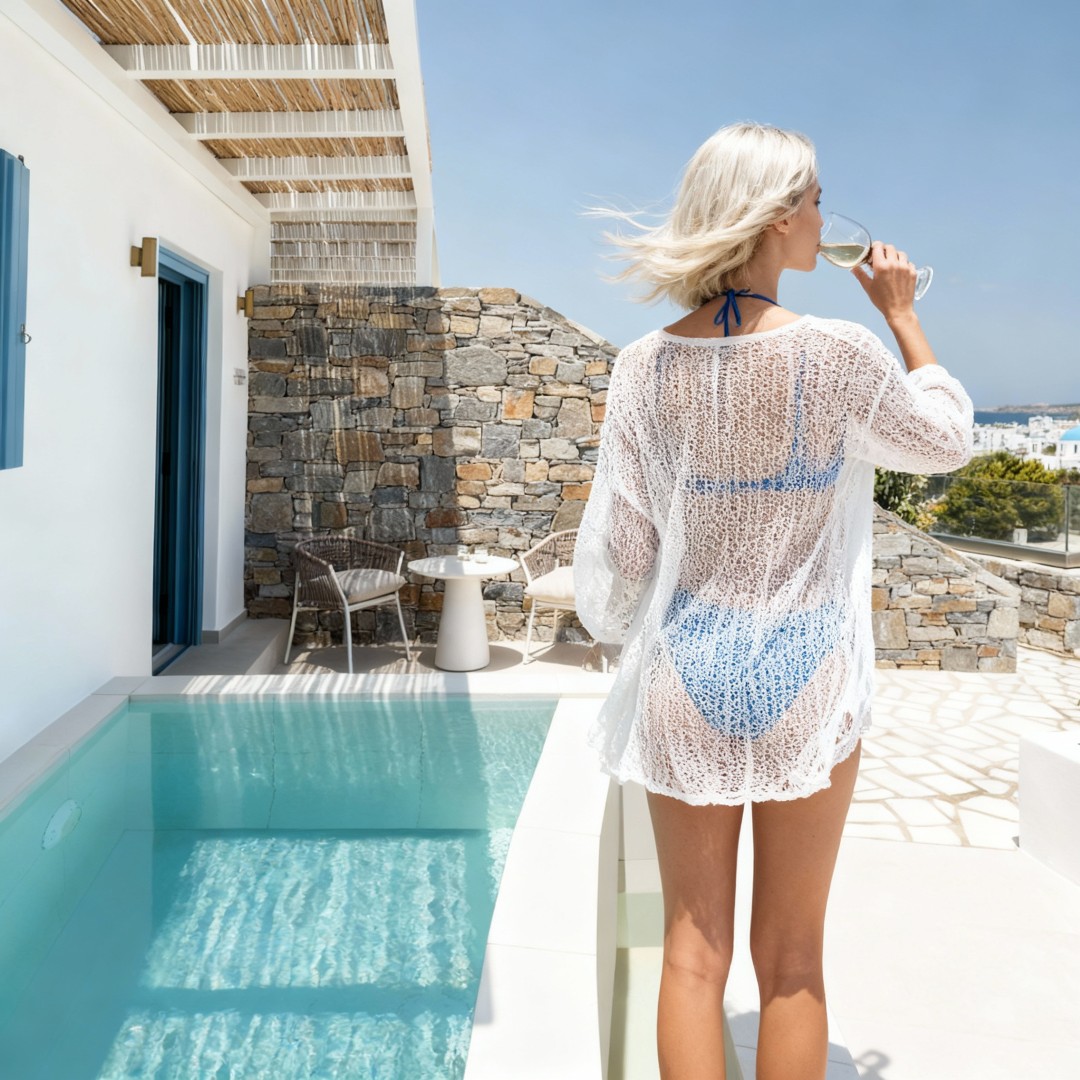
Bellen Luxury Boutique Hotel is a proud member of the Yestay Hotels family. We invite you to discover a shared philosophy of authentic hospitality, premium comfort, and refined aesthetics.

LOOKING FOR A LONGER STAY?

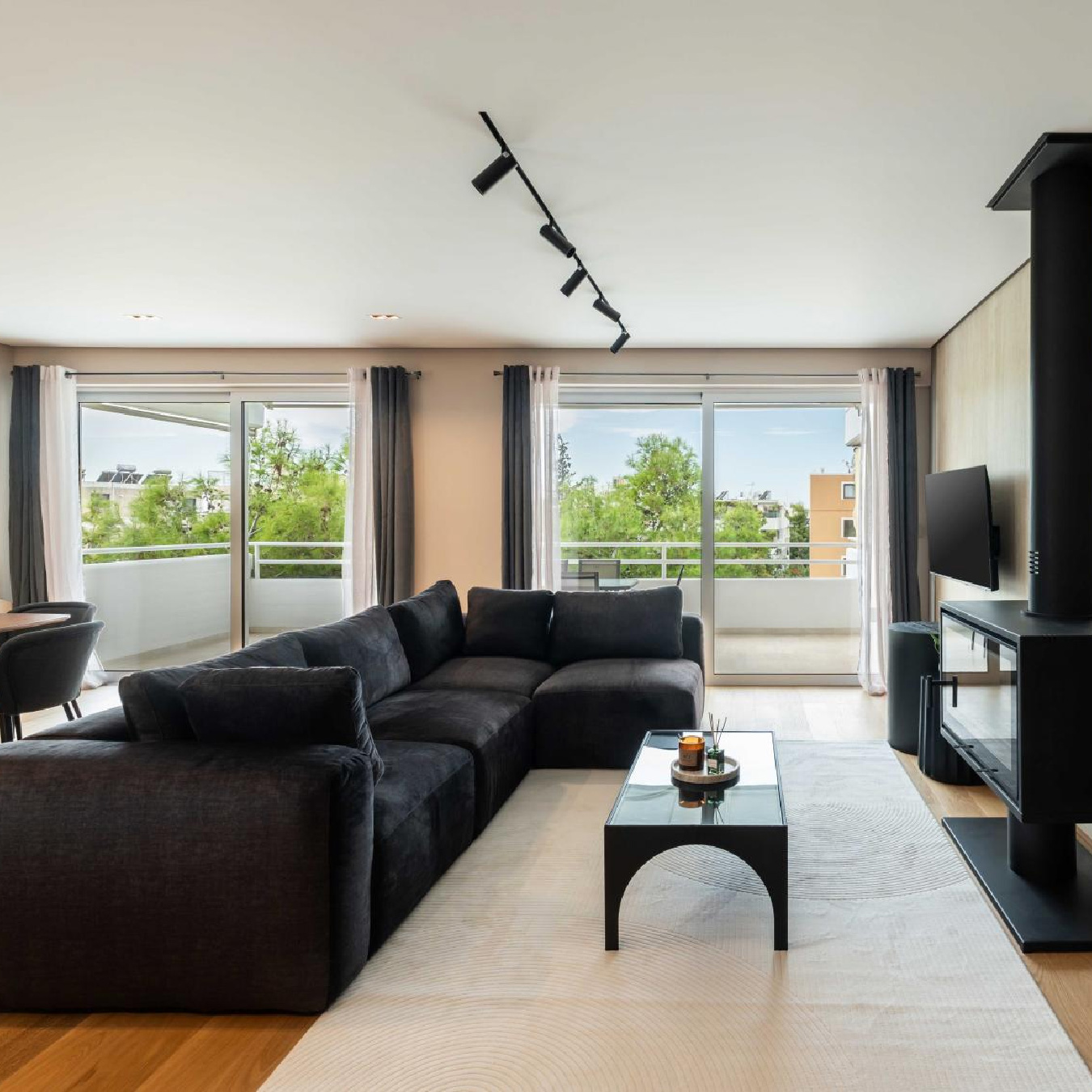
Powered by the Yestay Group, Yestay Homes redefines urban living. Enjoy the same standard of excellence you find at Bellen, now in your own private long-term residence.