Tracing the Steps of the “Saint of Greek Letters"

Tracing the Steps of the “Saint of Greek Letters"

Alexandros Papadiamantis

Alexandros Papadiamantis is one of the most prominent Greek authors, often referred to as the “saint of Greek literature.” Known primarily for his short stories, his work holds a distinguished place in modern Greek literature.

He lived in the humble neighborhood of Psiri, which, along with nearby Monastiraki, formed the backdrop of his daily life and the inspiration for many of his masterpieces.
Tracing the Steps of the “Saint of Greek Letters"

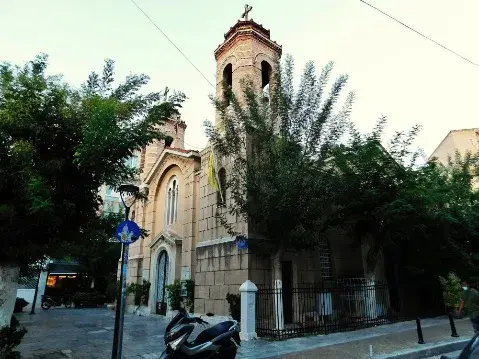
Stop 1: The Church of Agioi Anargyroi


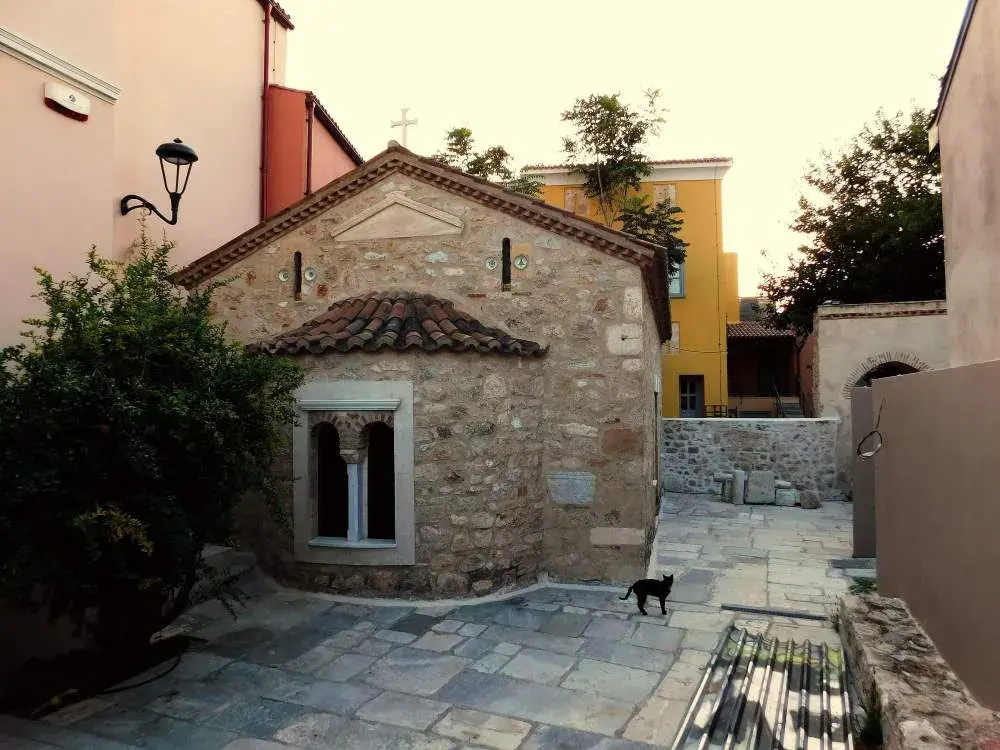
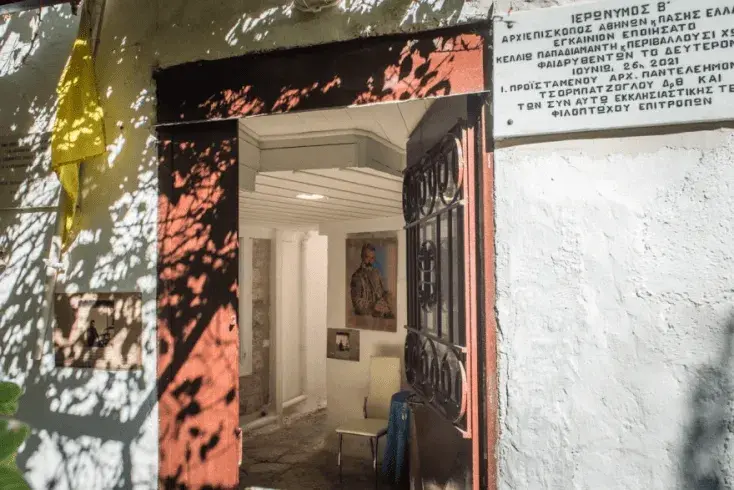
The son of a priest, Papadiamantis was deeply religious, compassionate, and charitable, traits that often left him in financial hardship. In the early 1880s, a childhood friend and monk named Nifon, originally from Papadiamantis’ native island of Skiathos, offered him a room in the courtyard of this church. The small chamber, reminiscent of a monastic cell, became known as “Papadiamantis’ Cell.”

 Here, he spent a significant part of his Athenian life, writing some of his most notable works, including The Murderess and The Monk, while also serving as a chanter during church services.

Today, the cell (restored in 2021) is open to the public, adorned with portraits of the author and featuring an audio podcast of one of his stories. Admission is free.

Tracing the Steps of the “Saint of Greek Letters"

Stop 2: The Church of Agios Athanasios & Aristofanous Street


On Aristofanous Street, Papadiamantis spent twelve years in a modest room in an inner courtyard near the Church of Agios Athanasios. The building likely stood at number 18 (not at 24, which is incorrectly marked as “Papadiamantis’ House” on Google Maps).

The place was a rundown compound with damp walls, often windowless, housing poor and marginalized bachelors. One stormy night, the roof collapsed, forcing him to move to the safer quarters at Agioi Anargyroi.

Tracing the Steps of the “Saint of Greek Letters"

Stop 3: The Grocery-Tavern of Kachrimanis


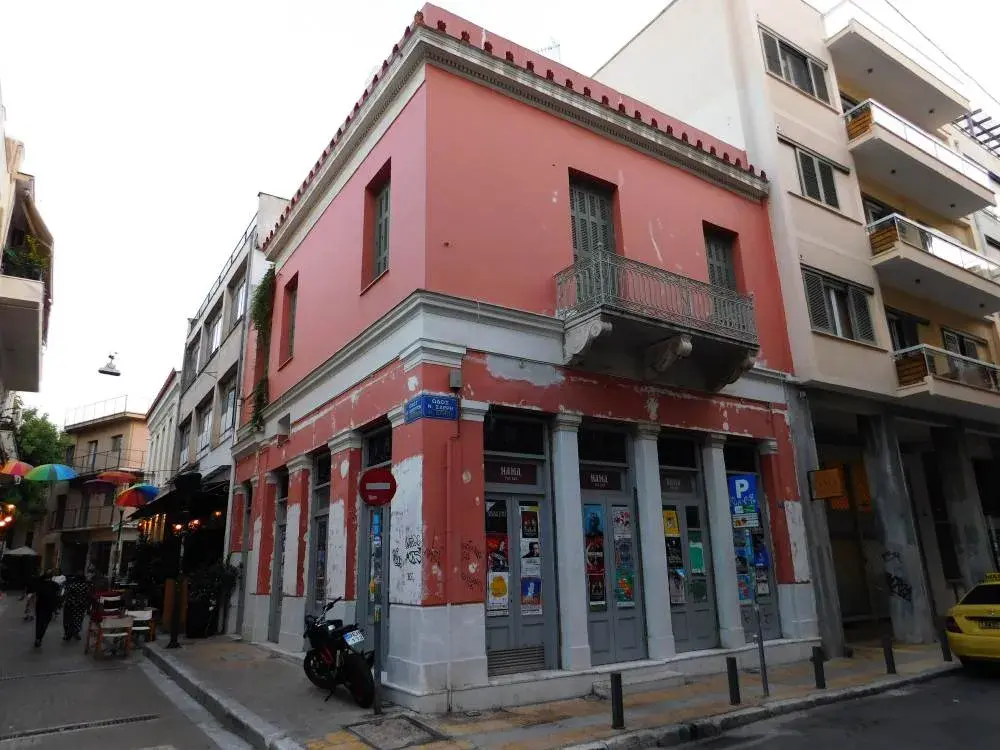
At the corner of Sarri and Agion Anargyron streets once stood the legendary grocery and tavern of Kachrimanis from Tripolis. For 25 years, this was Papadiamantis’ favorite haunt.

Here, he enjoyed good food, plenty of wine, and unlimited credit, but most importantly, acceptance and inspiration. The tavern attracted people from all walks of life, many of whom became characters in his stories. 

Lacking money for paper, Papadiamantis often wrote on cut-up grocery bags provided by the owner - a humble contribution that gave Greek literature some of its greatest works.

Tracing the Steps of the “Saint of Greek Letters"

Stop 4: Taki Street, Monastiraki Square & the Tzistarakis Mosque 


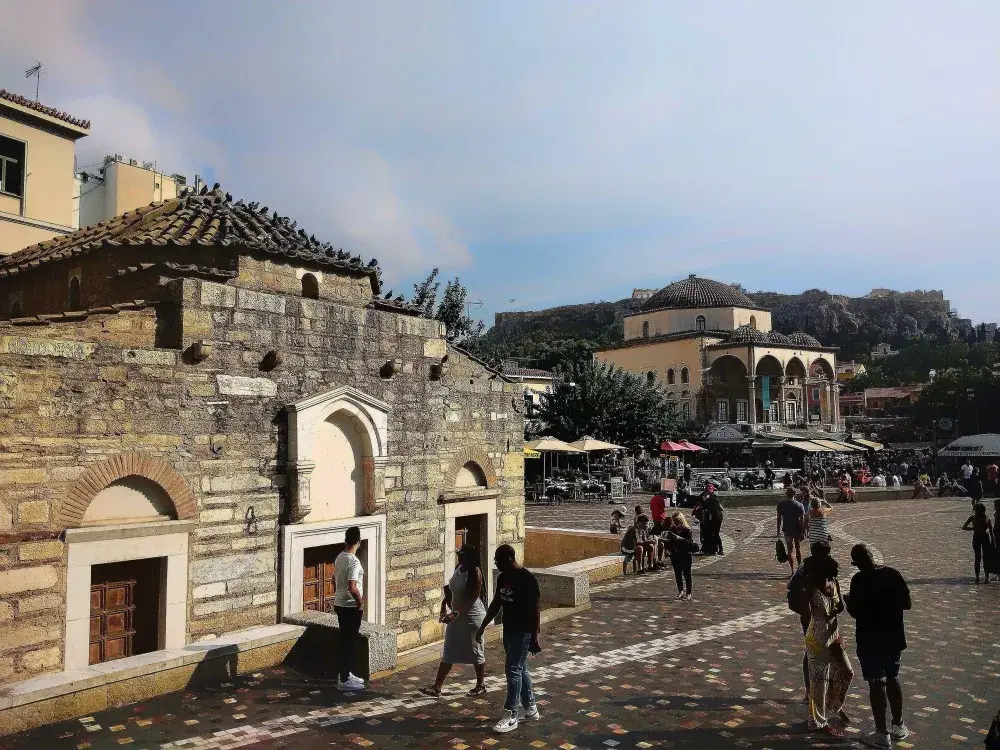
For a while, Papadiamantis lived in a small house on Taki Street, where he wrote The Gypsy Girl. He spent hours in Monastiraki Square and its cafés, observing the bustling life of workers, artisans, women, and even prisoners being led to the nearby jail. 

One of his stories recalls a white-clad woman he once saw on the steps of the Tzistarakis Mosque, prompting him to remark, “Here, ghosts still linger.”

Tracing the Steps of the “Saint of Greek Letters"

Stop 5: The Church of Agios Elissaios


In this small, humble chapel, Papadiamantis met Father Nikolaos Planas in 1887 and began chanting during all-night vigils, the first of their kind in Athens. Papadiamantis served as the right cantor, while his cousin, writer and translator Alexandros Moraitidis, chanted on the left. These vigils drew prominent writers such as Zacharias Papantoniou and Pavlos Nirvanas, who admired the deeply spiritual atmosphere.

Tracing the Steps of the “Saint of Greek Letters"

Stop 6: Varvakeios Market


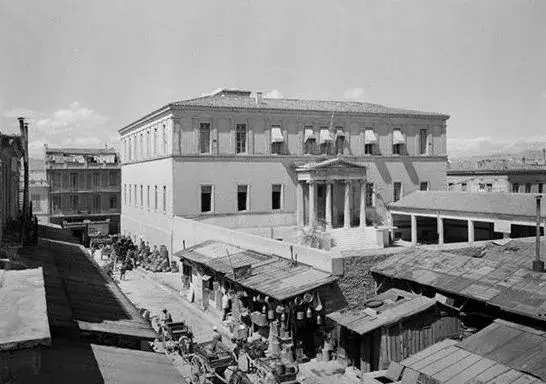
Where today stands the Athens Central Market once stood the Varvakeios School. Here, young Papadiamantis enrolled in 1873, later attending the Faculty of Philosophy at the University of Athens, where he studied alongside novelist Georgios Vizyinos.

He never completed his studies, causing great disappointment to his father, who hoped he would become a teacher back on Skiathos and support his four sisters.

Tracing the Steps of the “Saint of Greek Letters"

Stop 7: Klafthmonos Square & the University of Athens


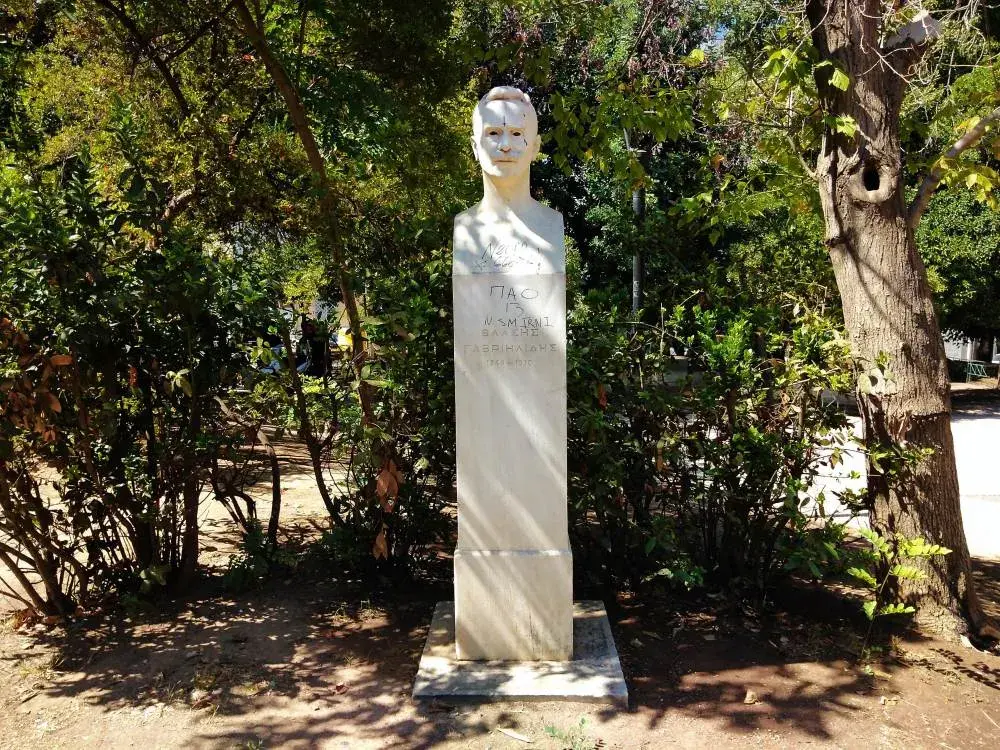
At the University, Papadiamantis attended only a few literary classes. Nearby, in Klafthmonos Square, stands the bust of Vlassis Gavriilidis, a pioneer of modern Greek journalism.

After enrolling at the University, Papadiamantis began writing and translating, though earnings were meager. His fortunes improved when Gavriilidis, founder of the famous newspaper Akropolis (whose first offices were in the square), invited him to write stories. Despite a generous salary for the time, Papadiamantis remained poor due to his simple, ascetic lifestyle.

One dialogue with the director of the newspaper Asty captures the author’s  character:
– “Your salary will be 150 drachmas.”
Papadiamantis stayed silent, as he was calculating.
– “Is that too little?” asked the director, ready to offer more.
– “It’s too much,” replied Papadiamantis. “One hundred is enough.”

And he left, shy and modest as always.

Tracing the Steps of the “Saint of Greek Letters"

Stop 8: Dexameni Square, Kolonaki


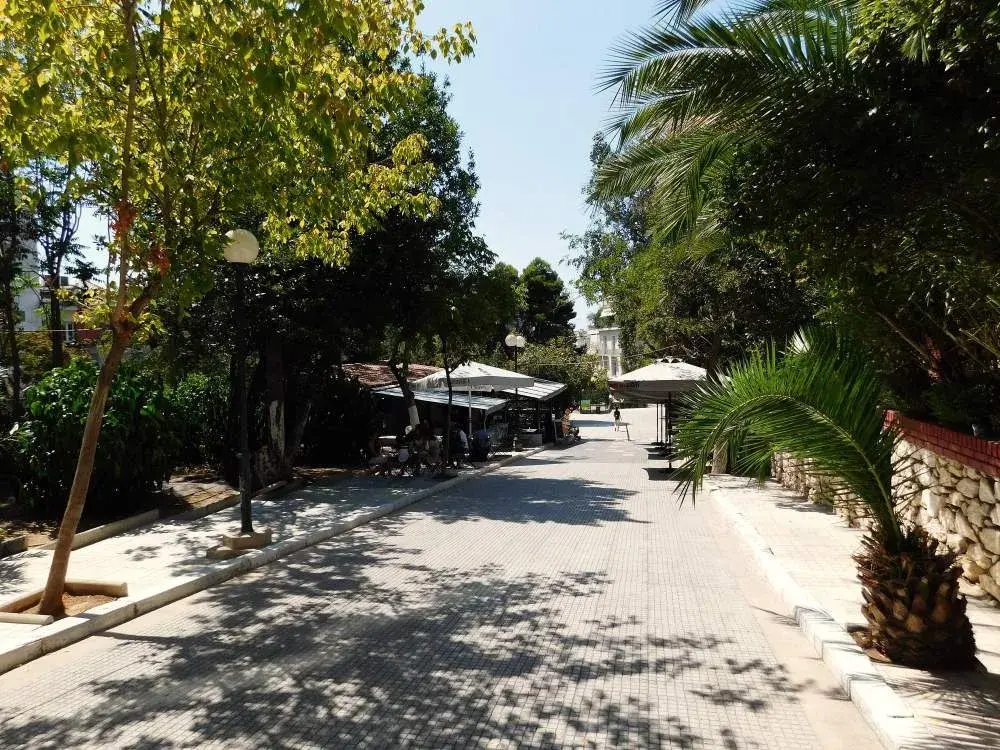
Our final stop takes us to Kolonaki’s Dexameni Square. In 1906, concerned about his declining health, his friend Giannis Vlachogiannis brought Papadiantis from Psiri to stay near Lycabettus Hill.

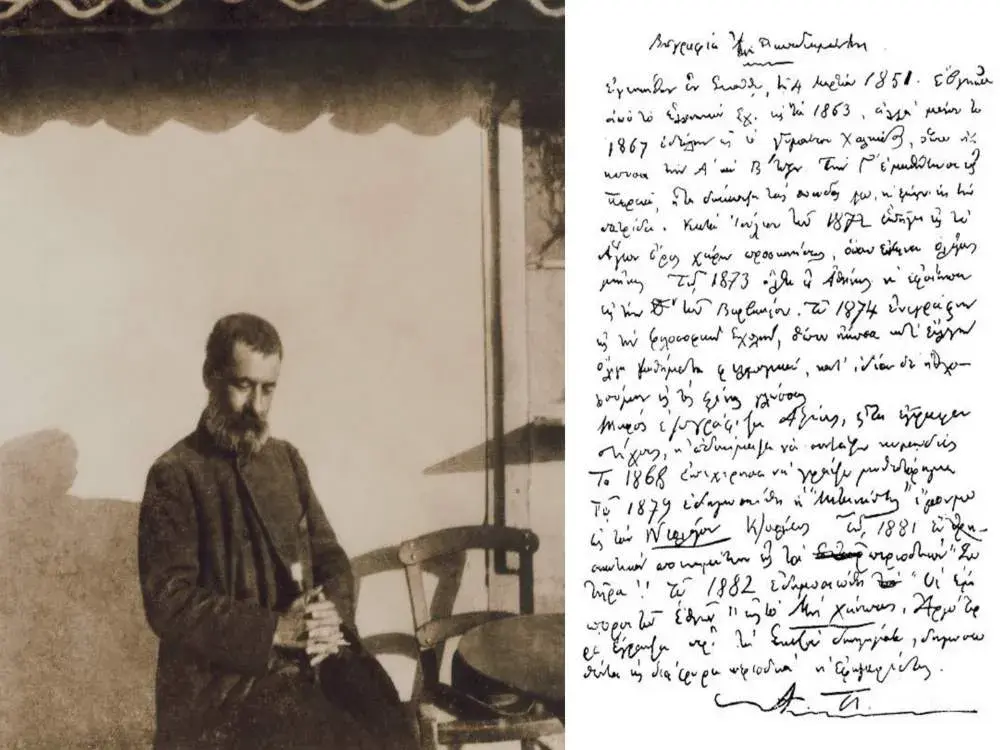
At the time, two cafés operated here: the humble Barbagianis, serving coffee for a dime, and Terpsi, a favorite meeting spot for poets and writers. Papadiamantis sat quietly at the back of Barbagianis’ café, by the little fireplace window, sipping coffee and lighting his cigarette.

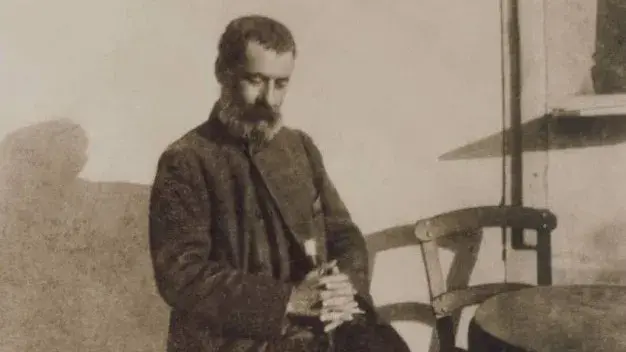
It was here that Pavlos Nirvanas captured the only known photograph of Papadiamantis, a rare glimpse of the shy author.

Tracing the Steps of the “Saint of Greek Letters"

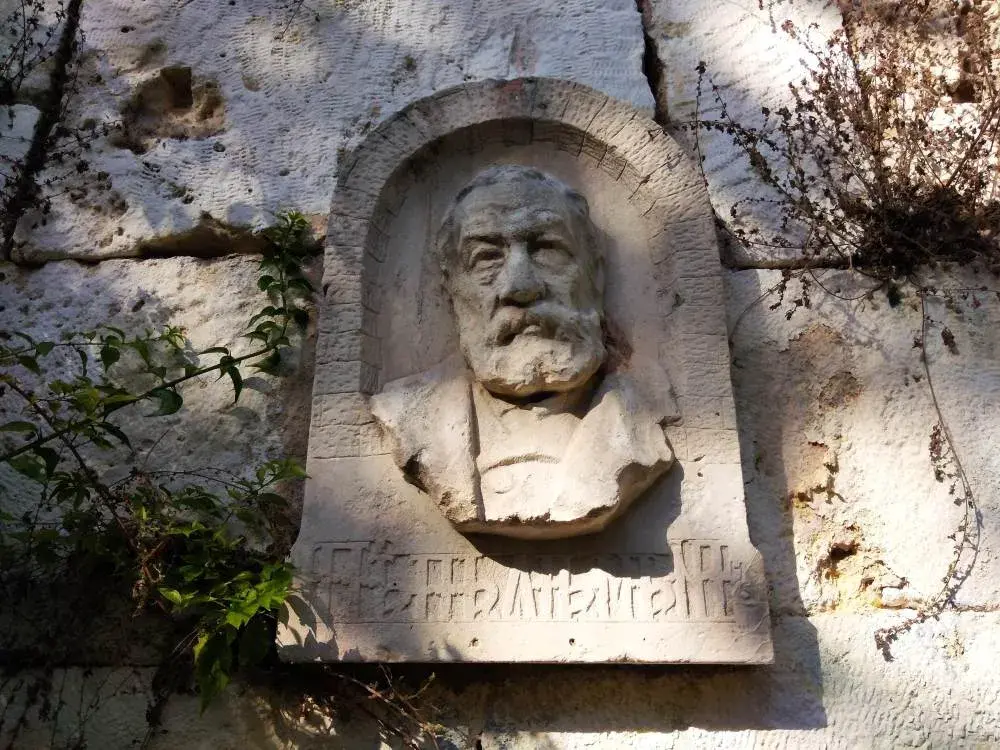
On a side wall of the square today, you can see a relief portrait of Papadiamantis, sculpted in 1923 by Thomas Thomopoulos, a renowned Greek sculptor whose works adorn many central locations in Athens.

SEEKING THE SEA?

Bellen Luxury Boutique Hotel is a proud member of the Yestay Hotels family. We invite you to discover a shared philosophy of authentic hospitality, premium comfort, and refined aesthetics.

LOOKING FOR A LONGER STAY?

Powered by the Yestay Group, Yestay Homes redefines urban living. Enjoy the same standard of excellence you find at Bellen, now in your own private long-term residence.